Implications for ship designers
The IMO’s decision to postpone the Net-Zero Framework vote leaves the maritime industry in another year of uncertainty. The lack of a clear regulatory timeline complicates investment planning, R&D priorities, and fleet renewal strategies across the industry. Yet, the trajectory toward lower lifecycle emissions and fuel-intensity limits remains unchanged.
For ship designers and investors, this delay highlights the importance of flexibility and futureproofing rather than pre-emptive compliance. The most sustainable path forward lies in scalable solutions. More than ever, we need propulsion systems that can evolve, energy arrangements that can transition, and hull concepts that remain efficient regardless of fuel choice.
Conoship’s position
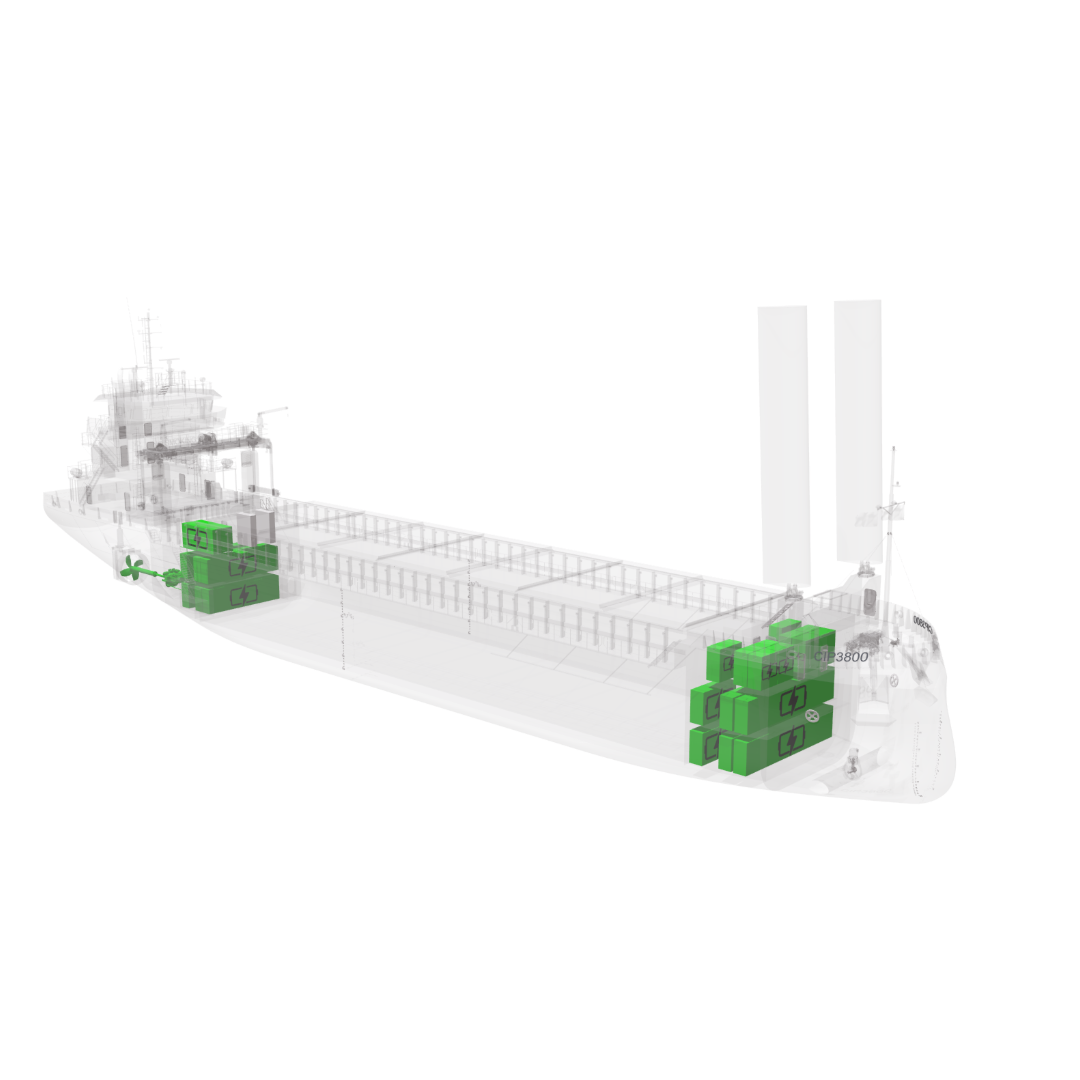
While regulatory clarity is delayed, innovation must not come to a stop. Conoship’s designs remain centered around adaptability in propulsion layout, fuel systems, and structural configurations. Ships built today must be ready to adapt once new regulations are decided upon.
Even as the IMO’s Net-Zero Framework is deferred, compliance is already evolving under existing measures. Current design and operational standards such as EEXI, EEDI, and CII already influence propulsion efficiency and carbon intensity across the fleet, albeit less impactful than the Net-Zero Framework would be. Within Europe, EU ETS and FuelEU Maritime are adding economic and performance-based drivers for lower emissions.
For ship designers, these overlapping frameworks reinforce the importance of futureproofing. A modular mindset has become essential across every stage of ship development. This mindset supports owners and operators in managing evolving efficiency requirements, operational ratings, and carbon cost exposure, while maintaining commercial viability.
Future perspective
IMO discussions will continue over the upcoming year, and advancements in alternative fuels will continue to shape the context in which ships are ordered and built. Meanwhile, there is still progress within the EU in the form of green shipping policies, and development.
2026 could bring renewed momentum toward a global emissions framework. Until then, the challenge, and opportunity, remains to bridge the gap between today’s operational realities and tomorrow’s compliance requirements. By maintaining flexibility and fostering innovation, the industry can stay ahead of regulation rather than waiting for it.
For Conoship, this means continuing to design ships that are ready for what’s next. Vessels that can evolve as the world transitions to sustainable maritime transport