Transforming Existing Fleets for the Realities of Tomorrow

Conversions & Retrofits

A successful vessel conversion project begins with an intensive feasibility study to evaluate how your operational or environmental goals can be integrated into your existing hull. We assess structural constraints, stability variations, regulatory factors, and spatial reconfigurations, followed by a concept design and early alignment with Classification societies to de-risk the project from day one.

In the engineering phase, we develop the concept into a class-approved, ready-for-the-shipyard package. From structural analyses, finite element modeling, and updated general arrangements to complete construction drawings and stability calculations, we ensure your asset’s second life is backed by absolute technical certainty.

Why Conoship?

Independent Engineering

We are not tied to any shipyard or equipment manufacturer. We engineer the best solution solely for your operational profile.

Metamorphosis Expertise

Proven track record in radical re-engineering of all types of full conversions and small retrofit projects.

Research-Driven Approach

Our retrofits are optimized using advanced CFD analysis, ensuring optimized hydrodynamics and fuel efficiency.

Full-Scope Guidance

We bridge the gap between shipowners, shipyards, and Class societies, managing the entire technical lifecycle.

Navigating the Tight Squeeze Between Tightening Regulations and High Newbuild Costs

The Fastest Path to Fleet Compliance

Mid-life vessels face a tight squeeze between narrowing environmental regulations (CII, EEXI) and high newbuilt costs. Converting or retrofitting an existing hull offers a faster path to market and a significantly lower initial investment, provided it is engineered with absolute precision. At Conoship, we act as your strategic technical partner, unlocking hidden value in your existing fleet while ensuring flawless structural integrity and compliance.

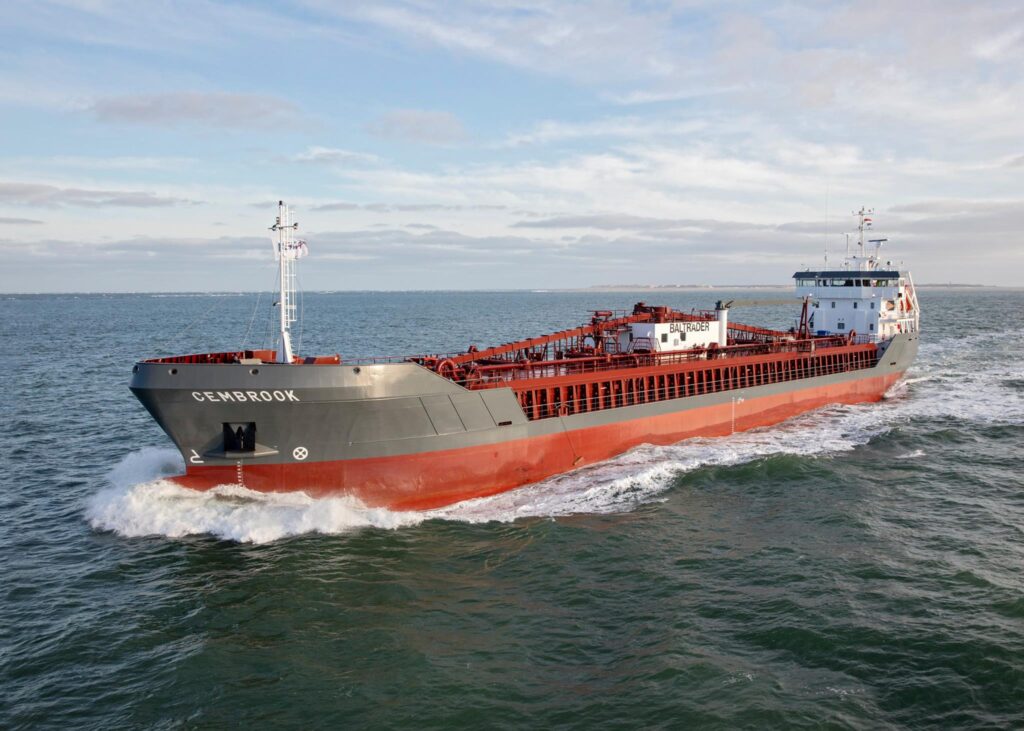
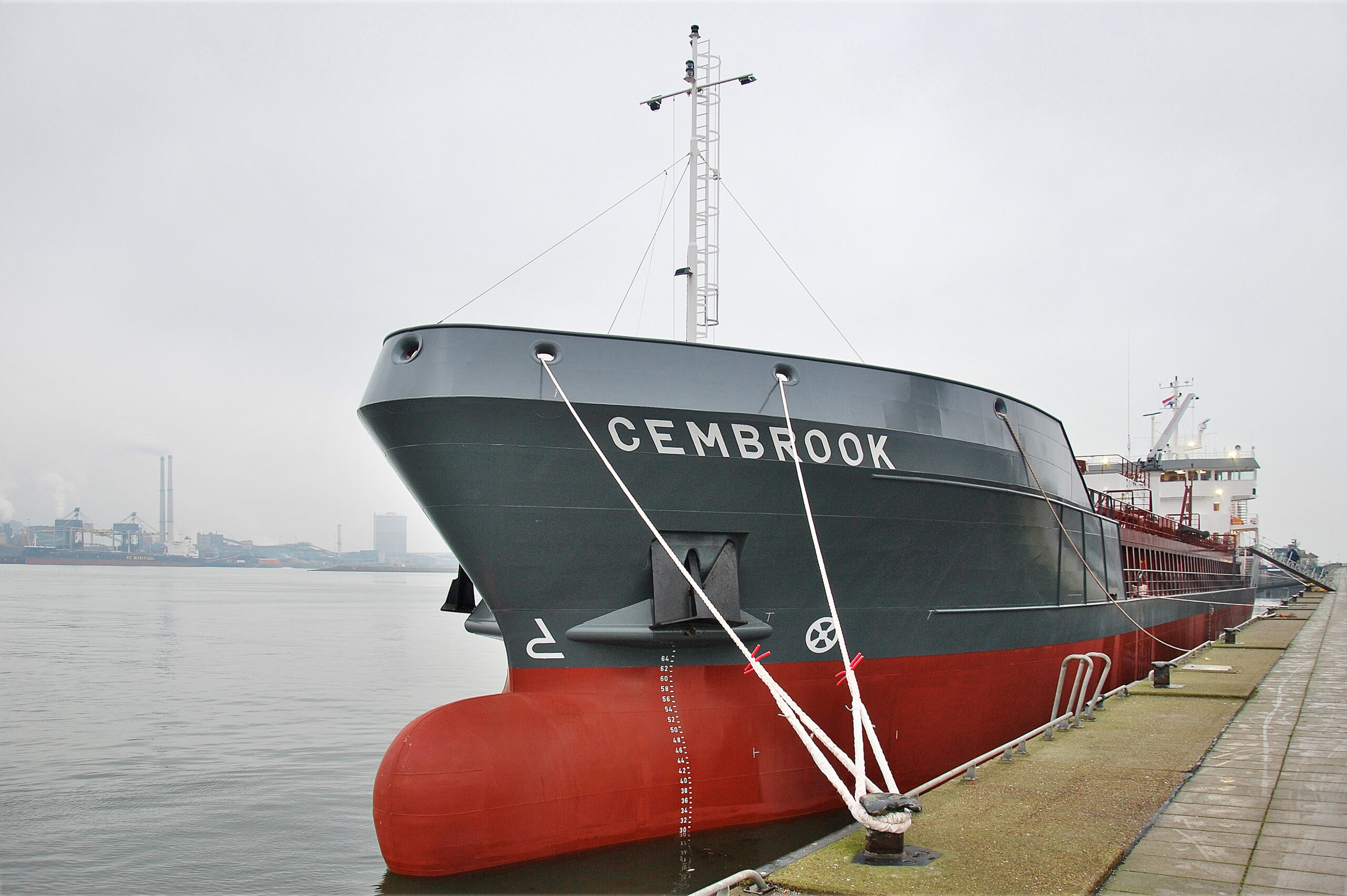
Cembrook Side

Pitfalls and Conoship Solutions

How We Approach a Conversion or Retrofit

Unknown Baseline Data (Complex Integration)

Challenge: Existing vessels often have outdated or missing documentation, creating high uncertainty for retrofits.

Solution: We leverage 3D laser scanning and our deep heritage in naval architecture to reconstruct precise structural baselines, minimizing shipyard surprises.

Drastic Stability & Weight Changes

Challenge: Structural changes, like adding a 15-meter hull extension or installing heavy cargo handling gear, profoundly alter stability.

Solution: We conduct continuous weight monitoring and exhaustive stability analyses from the concept phase, keeping the vessel safe and high-performing.

Regulatory & Class Hurdles

Challenge: Meeting modern standards (like Polar Code C or IMO Tier III emissions) with an older hull can stall approval.

Solution: We proactively engage with Flag States and Class societies early, embedding compliance into the structural design.

Where We Can Assist

Your Engineering Partner Along the Full Spectrum of Conversions & Retrofits

Frequently Asked Questions

What are the key considerations when choosing between a vessel conversion or a newbuild?

Choosing between a conversion and a newbuild primarily depends on your budget, timeline, and operational goals. Custom newbuilds offer ultimate architectural control but come with longer lead times and higher initial capital investments. Vessel conversions provide a significantly faster path to market and lower initial costs. However, success hinges on rigorous naval architecture to ensure structural reinforcement, proper weight distribution, and safe integration of new equipment.

Yes. Older hulls can be successfully retrofitted with modern sustainable technologies to ensure compliance and avoid regulatory penalties. Common efficiency retrofits include (but are not limited to) upgrading to diesel-electric hybrid powertrains , integrating alternative fuel capabilities , and installing Wind-Assisted Ship Propulsion (WASP) systems. Conoship provides full-scope engineering to assess how these technologies impact your vessel’s existing layout and stability profile.

Adding structural extensions (such as a hull lengthening or an extended stern) radically changes a vessel’s weight distribution and heeling moments. To mitigate these risks, Conoship conducts comprehensive stability analyses, finite element modeling, and continuous weight monitoring from the feasibility stage onward , ensuring the modified vessel meets all strict Classification society safety requirements.

Absolutely. With precise naval architecture, rugged commercial platforms (such as offshore support or rescue vessels) can be repurposed into highly complex, specialized vessels. Examples include converting an offshore rescue vessel into a Polar Code-compliant luxury explorer yacht or a standard dry cargo hull into a specialized cement carrier with pneumatic self-discharging technology.

A naval architect acts as the critical independent technical bridge between the shipowner, the shipyard, and the Classification societies. By delivering a comprehensive, class-approved detailed engineering package. This can include structural analysis, construction drawings, and updated stability data. We eliminate project uncertainties , protect the owner from costly shipyard delays, and streamline the final certification process.

Recent Updates About Conversions & Retrofits

Project master yacht conversion

Project Master Yacht Conversion Project

Conoship and ICON Yachts are transforming the former rescue vessel M.V. Havila Tigris into a 70m luxury expedition yacht. Featuring hybrid propulsion, Polar Code C compliance, a helideck, and elegant interiors, it’s built for sustainable, global exploration.
More info »

Walk to Work Vessel Into Service

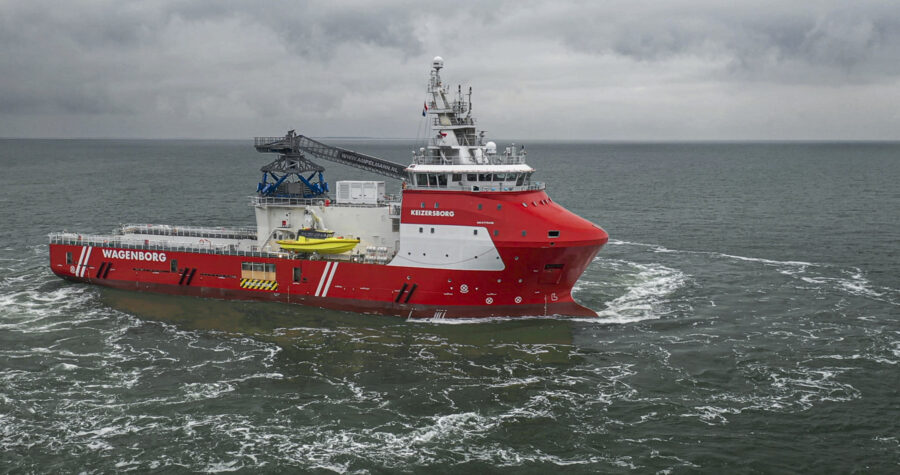
Wagenborg Offshore’s third walk-to-work vessel, Keizersborg, converted from SK728 by Royal Niestern Sander, supports inspection and maintenance of unmanned platforms in the southern North Sea.

More info »
Conoship International
Privacy Overview

This website uses cookies so that we can provide you with the best user experience possible. Cookie information is stored in your browser and performs functions such as recognising you when you return to our website and helping our team to understand which sections of the website you find most interesting and useful.