News about Conoship’s internal affairs

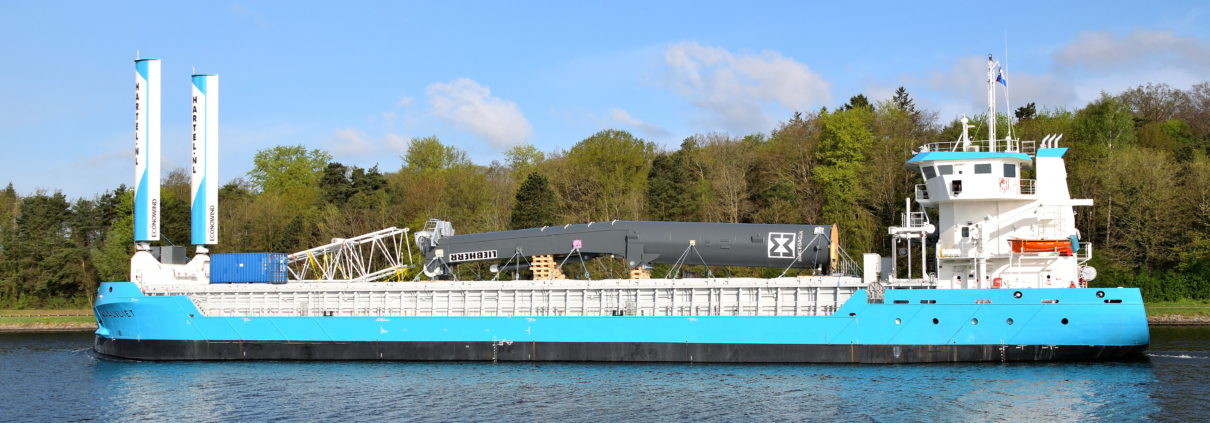
Frisian Future Launched at Chowgule Shipyard

Frisian Future, first of eight ECO-8500 Conoship vessels, launched at Chowgule Shipyard, optimized for efficiency and ready for future green tech.

Estonia's workboat

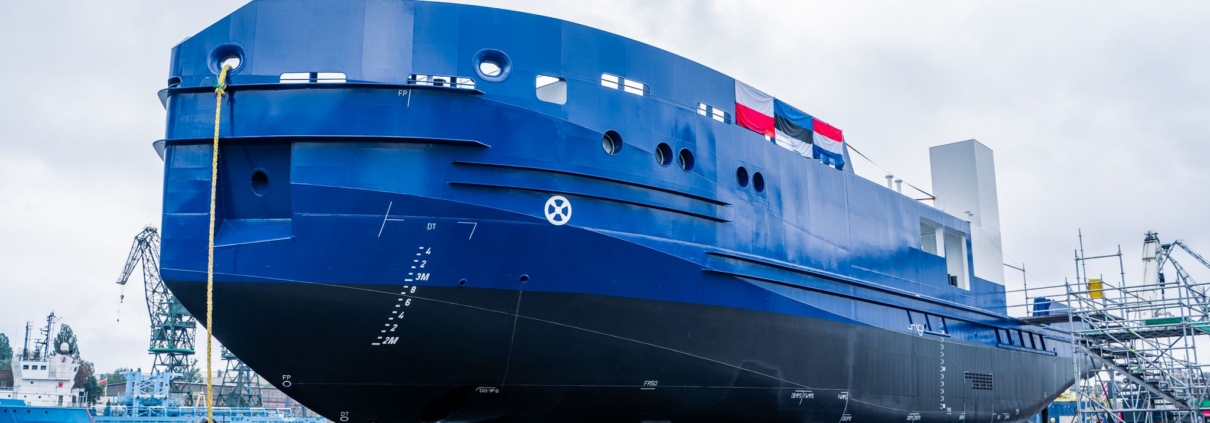
Estonia’s First Biomethane & Battery Work Boat Launches

Conoship celebrates Estonia’s first biomethane- and battery-powered multipurpose workboat, designed for buoy-laying, research, rescue, and more—marking a major step toward greener shipping and a sustainable maritime future.

Conoship Participates in the Circular Route at Europort

Conoship Participates in the Circular Route at Europort

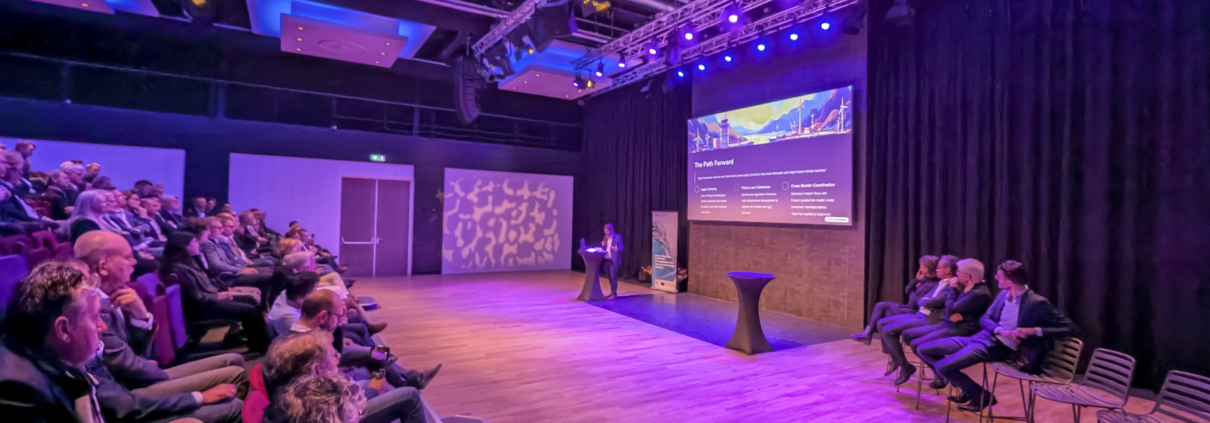
The four-day event has begun in Rotterdam Ahoy, and we’re proud to take part in the world’s first Circular Route. Together with 14 other frontrunners, we showcase how circular design, maintenance and reuse are shaping a future-proof and competitive maritime industry.

Conoship finds itself at the start of the value chain, embedding circularity from the very first sketch. The CIP Series is a series of standardized designs with over 40 building numbers. They integrate modularity, material efficiency, and flexibility for future fuels and wind-assisted propulsion. Each vessel is engineered for efficient construction, easy maintenance and safe recycling.

You can find Conoship on the Circular Route at the stand of Holland Shipyard Group, with stand number 1302.

Every day of the expo, guided tours are available for national and international delegations, policymakers, and professionals. Visitors can also follow the route independently using a special map available on the Europort website.

👉 Read the full press release: https://bluecity.nl/en/nieuws/maritime-sisters-en-bluecity-lanceren-wereldprimeur-de-eerste-circular-route-in-de-maritieme-sector
👉 For more information, visit the Europort website: https://lnkd.in/e2-pYjwf

The Circular Route is an initiative by Maritime Sisters and BlueCity, in collaboration with Europort, and made possible by Gemeente Rotterdam (Rotterdam Maritime Capital of Europe), Provincie Zuid-Holland and Rijksregiebureau Maritieme Maakindustrie, and supported by Nederland Maritiem Land (NML) and NMT | Netherlands Maritime Technology).

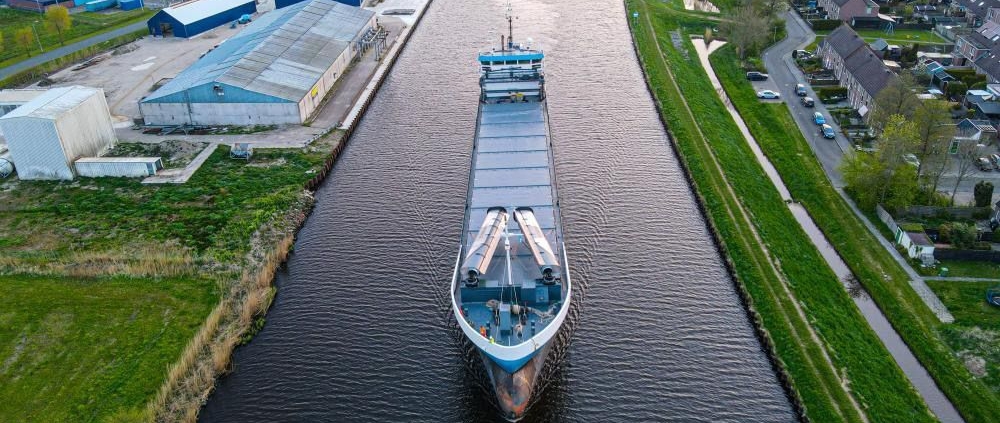
Scheldevliet Completes the Vliet CIP3800 Series

Scheldevliet marks the final delivery in the CIP3800 series: five adaptable, fuel-efficient cargo vessels designed for sustainable shortsea trade and specialized operations.

ECO Series Expands with More CIP 3800 Vessels

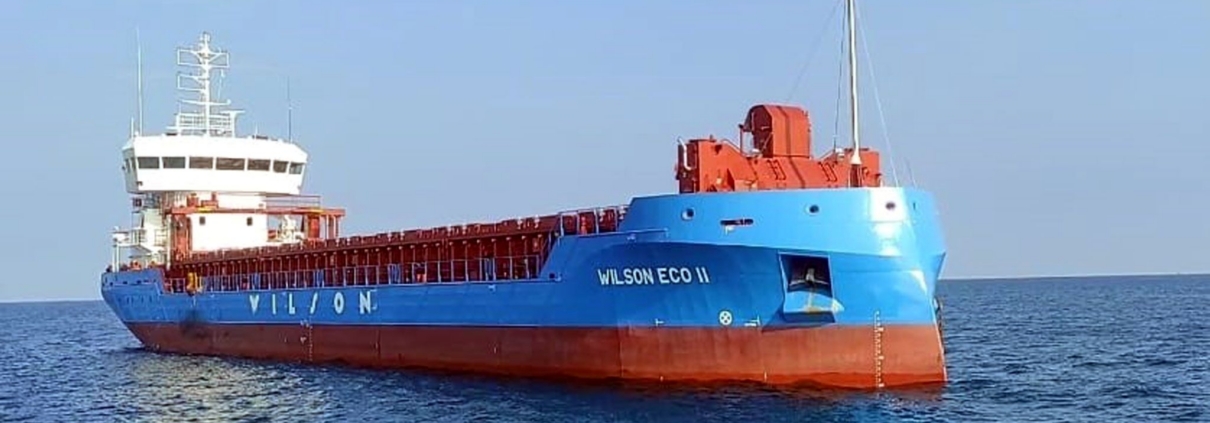
Wilson ECO III launched & ECO II delivered, advancing a 6-vessel series for Wilson ASA. Built for sustainability, modularity & wind-assisted propulsion, these 3,800 dwt ships reflect a future-ready approach to efficient, green shipping.

Showcasing the Future of Shipping at London International Shipping Week 2025

Conoship will showcase their innovative CIP series at London International Shipping Week 2025. This prestigious event brings together the world’s leading maritime innovators, making it the perfect platform to present our vision for a sustainable future in shipping.

Logarithmic Wind: Providing Realistic Predictions of Wind-ship Interactions for WASP Units

Marie Jonas’ research at Conoship reveals that using logarithmic wind in simulations gives more realistic predictions of wind-ship interactions, helping optimize wind-assisted propulsion systems for greener maritime transport.

Finite element method analysis for ships for smarter ship design with FEM

Smarter ship design with FEM: Improving efficiency in structural analyses

Smarter ship design with FEM: Improving efficiency in structural analyses

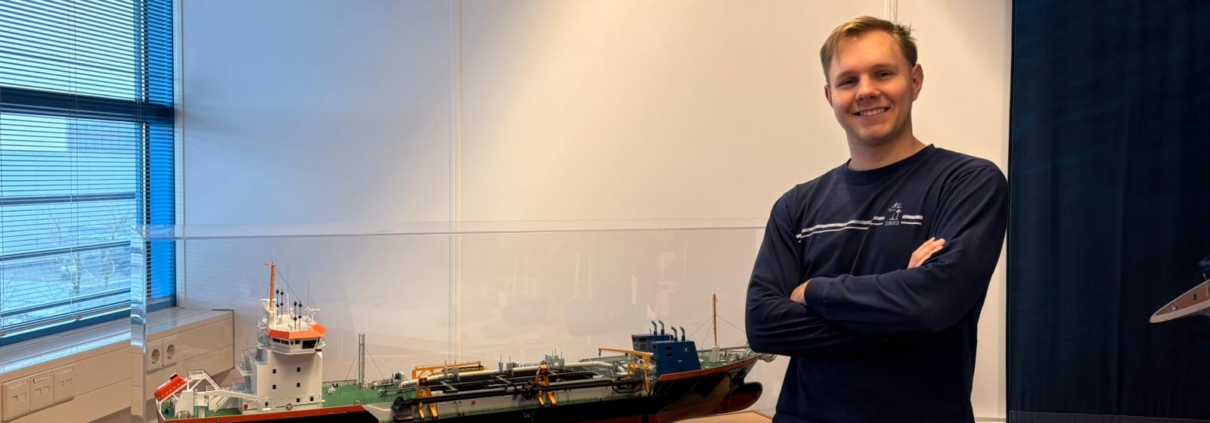
Insights from a graduate study by Hotze van Doorn
Innovation in ship design goes hand in hand with structural integrity and efficiency. At Conoship International, pushing the boundaries of design requires advanced tools, and Finite Element Method (FEM) analysis is one such tool. Recent graduate research at Conoship explored how FEM can be applied more effectively during the early design stages, by delivering faster, smarter insights for safer and more sustainable vessels.

The goal: To develop methods for applying FEM effectively, even when limited design information is available.

Core theme: How ship designers can use FEM effectively in early design to optimize structural dimensioning.

Key insight: FEM is especially valuable for buckling checks in thin plate fields amidships, due to modern high-strength steel and larger span distances.

A graduate’s journey with Conoship

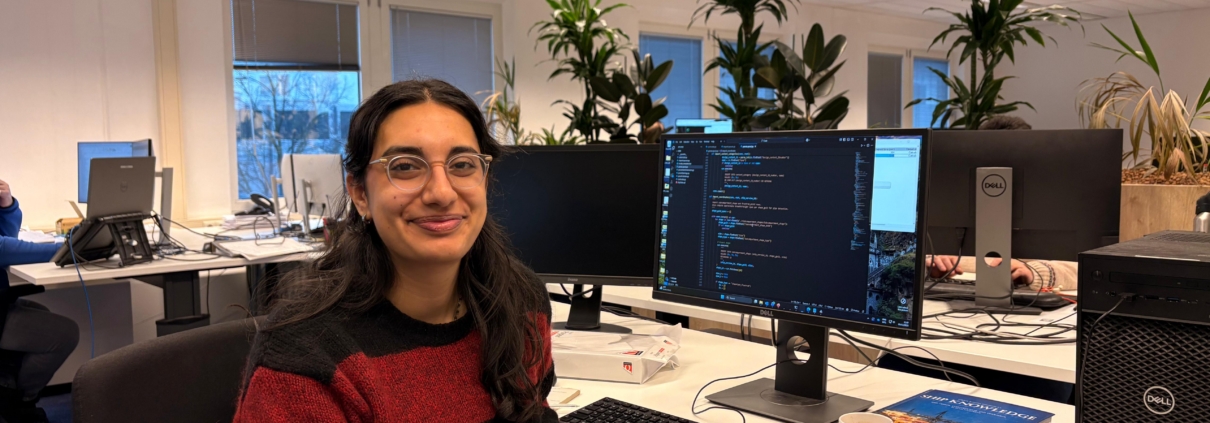
“My journey with Conoship began during the company fair at my university,” recalls Hotze van Doorn. “I was studying Maritime Technology in Leeuwarden when I met Klaas Visser (Manger Design & Engineering, and Naval Architect) at the Conoship stand. He offered me an internship, which turned out to be a perfect match.”

During his third year at university, he joined Conoship as an intern for his office placement. “I developed my skills as a structural designer and learned a lot from the team,” he says. After the internship, he continued working part-time every Thursday: “It was always a great experience, especially because every other Thursday ended with a team drink!”

What stood out most was Conoship’s commitment to supporting his academic development. “Whether I needed information for a project or real-world assignments to earn credits, the team was always willing to help. So when it came time to choose where to do my graduation thesis, the decision was obvious.”


“Early FEM analysis enables better decisions and stronger designs, without slowing down the creative process.”


The research: Tackling buckling in modern ships

The graduation project focused on a pressing challenge in contemporary shipbuilding: buckling in the open plate fields of a ship’s midsection. As vessels increasingly use high-strength steel to enable lighter and more efficient structures, designers adopt larger frame spacings and thinner plating. The downside? Greater susceptibility to compressive stresses and buckling.

Using Finite Element Analysis (FEA), Hotze developed a method to identify vulnerable plate fields early in the structural design process, even when limited input data is available. “This approach helps designers make better decisions from the start, preventing buckling issues later on,” he explains.

Results: smarter, faster, safer

The research demonstrated that full-ship FEM in the concept phase is rarely practical, but selective modeling can deliver high value. By focusing on critical areas such as the cargo hold and applying targeted FEM checks for buckling, designers can strike the right balance between speed and accuracy. The study also provided practical guidelines and time-saving strategies for integrating FEM into Conoship’s existing processes.

“By refining how FEM is used, we can reduce modeling time while gaining key insights into structural performance. Ultimately, this contributes to safer, stronger, and more efficient vessels.”

Collaboration and looking ahead

For Conoship, this project reflects the company’s commitment to innovation and collaboration with future maritime engineers. The research of graduation students not only adds value to our design processes but also strengthens the bridge between academia and industry.

As Conoship continues to pioneer sustainable ship concepts and structural solutions, methods like FEM could play an increasingly important role. By making these tools faster and more effective, Conoship ensures its designs stay ahead in safety, efficiency, and sustainability.

If you are curious about this topic and would like to know more. Feel free to leave us a message on our contact page or contact Hotze directly.

Conoship Nominated for the Maritime Innovation Award 2025

Conoship’s CIP series, nominated for the 2025 Maritime Innovation Award, leading sustainable coastal trade with modular design.

Cembrook cement carrier front

Designing the Next Generation of Cement Carriers

Discover Conoship’s innovative, sustainable cement carriers designed to meet future regulations and optimize logistics.