News about Conoship’s internal affairs

Finite element method analysis for ships for smarter ship design with FEM

Smarter ship design with FEM: Improving efficiency in structural analyses

Smarter ship design with FEM: Improving efficiency in structural analyses

Insights from a graduate study by Hotze van Doorn
Innovation in ship design goes hand in hand with structural integrity and efficiency. At Conoship International, pushing the boundaries of design requires advanced tools, and Finite Element Method (FEM) analysis is one such tool. Recent graduate research at Conoship explored how FEM can be applied more effectively during the early design stages, by delivering faster, smarter insights for safer and more sustainable vessels.

The goal: To develop methods for applying FEM effectively, even when limited design information is available.

Core theme: How ship designers can use FEM effectively in early design to optimize structural dimensioning.

Key insight: FEM is especially valuable for buckling checks in thin plate fields amidships, due to modern high-strength steel and larger span distances.

A graduate’s journey with Conoship

“My journey with Conoship began during the company fair at my university,” recalls Hotze van Doorn. “I was studying Maritime Technology in Leeuwarden when I met Klaas Visser (Manger Design & Engineering, and Naval Architect) at the Conoship stand. He offered me an internship, which turned out to be a perfect match.”

During his third year at university, he joined Conoship as an intern for his office placement. “I developed my skills as a structural designer and learned a lot from the team,” he says. After the internship, he continued working part-time every Thursday: “It was always a great experience, especially because every other Thursday ended with a team drink!”

What stood out most was Conoship’s commitment to supporting his academic development. “Whether I needed information for a project or real-world assignments to earn credits, the team was always willing to help. So when it came time to choose where to do my graduation thesis, the decision was obvious.”


“Early FEM analysis enables better decisions and stronger designs, without slowing down the creative process.”


The research: Tackling buckling in modern ships

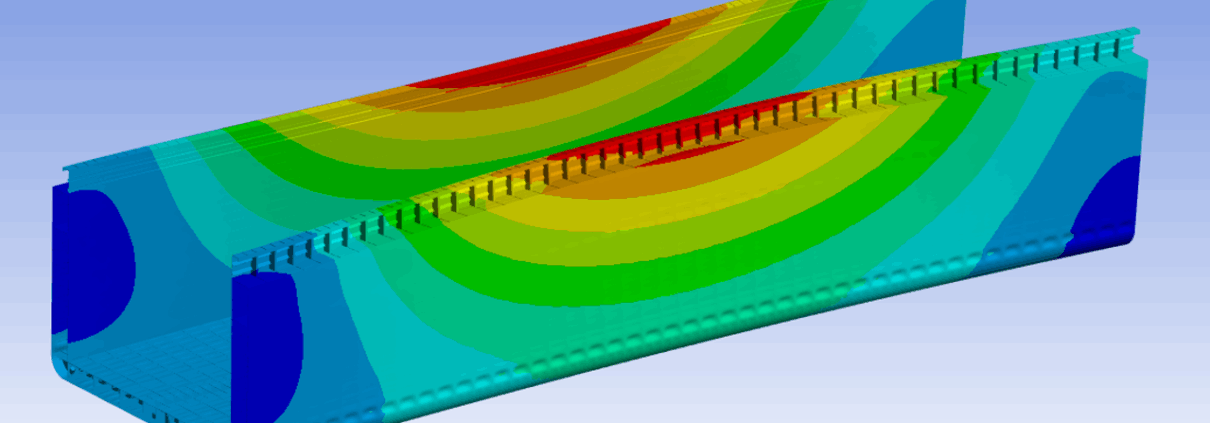
The graduation project focused on a pressing challenge in contemporary shipbuilding: buckling in the open plate fields of a ship’s midsection. As vessels increasingly use high-strength steel to enable lighter and more efficient structures, designers adopt larger frame spacings and thinner plating. The downside? Greater susceptibility to compressive stresses and buckling.

Using Finite Element Analysis (FEA), Hotze developed a method to identify vulnerable plate fields early in the structural design process, even when limited input data is available. “This approach helps designers make better decisions from the start, preventing buckling issues later on,” he explains.

Results: smarter, faster, safer

The research demonstrated that full-ship FEM in the concept phase is rarely practical, but selective modeling can deliver high value. By focusing on critical areas such as the cargo hold and applying targeted FEM checks for buckling, designers can strike the right balance between speed and accuracy. The study also provided practical guidelines and time-saving strategies for integrating FEM into Conoship’s existing processes.

“By refining how FEM is used, we can reduce modeling time while gaining key insights into structural performance. Ultimately, this contributes to safer, stronger, and more efficient vessels.”

Collaboration and looking ahead

For Conoship, this project reflects the company’s commitment to innovation and collaboration with future maritime engineers. The research of graduation students not only adds value to our design processes but also strengthens the bridge between academia and industry.

As Conoship continues to pioneer sustainable ship concepts and structural solutions, methods like FEM could play an increasingly important role. By making these tools faster and more effective, Conoship ensures its designs stay ahead in safety, efficiency, and sustainability.

If you are curious about this topic and would like to know more. Feel free to leave us a message on our contact page or contact Hotze directly.
Conoship Nominated for the Maritime Innovation Award 2025

Conoship’s CIP series, nominated for the 2025 Maritime Innovation Award, leading sustainable coastal trade with modular design.

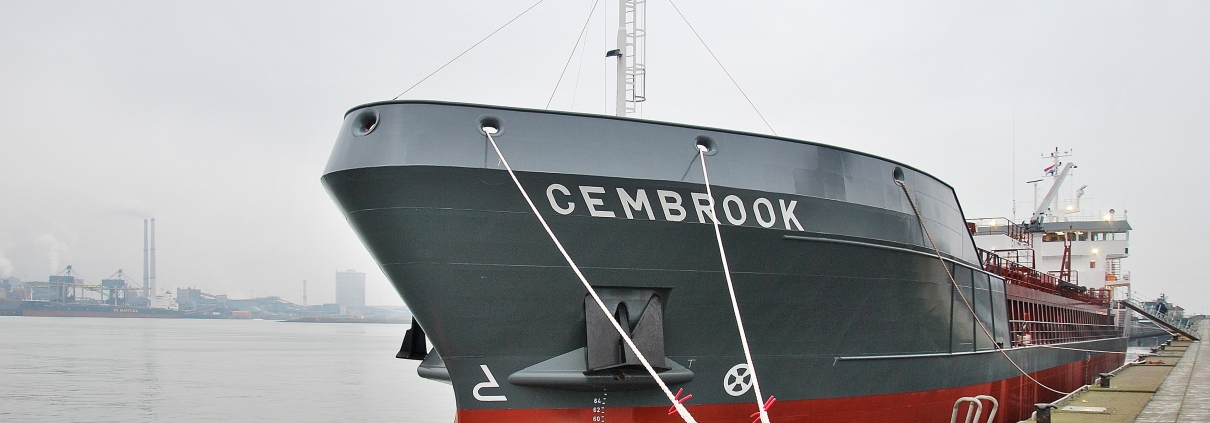
Cembrook cement carrier front

Designing the Next Generation of Cement Carriers

Discover Conoship’s innovative, sustainable cement carriers designed to meet future regulations and optimize logistics.

De Vrouw Tjitsche

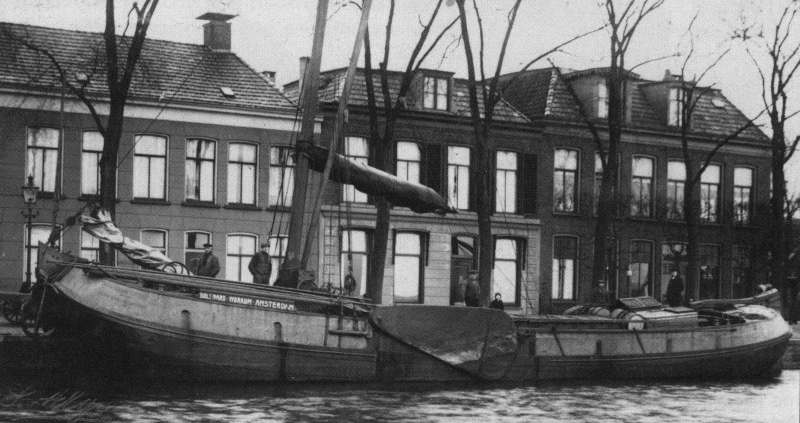
A Liberation Day Tribute with De Vrouw Tjitsche

Breakbulk green world awards nomination

Conoship nominated for the Breakbulk Green World Awards

Conoship’s CIP3600 earns a 2025 Green World Awards nomination. Discover why this next-gen general cargo vessel design is setting the course.

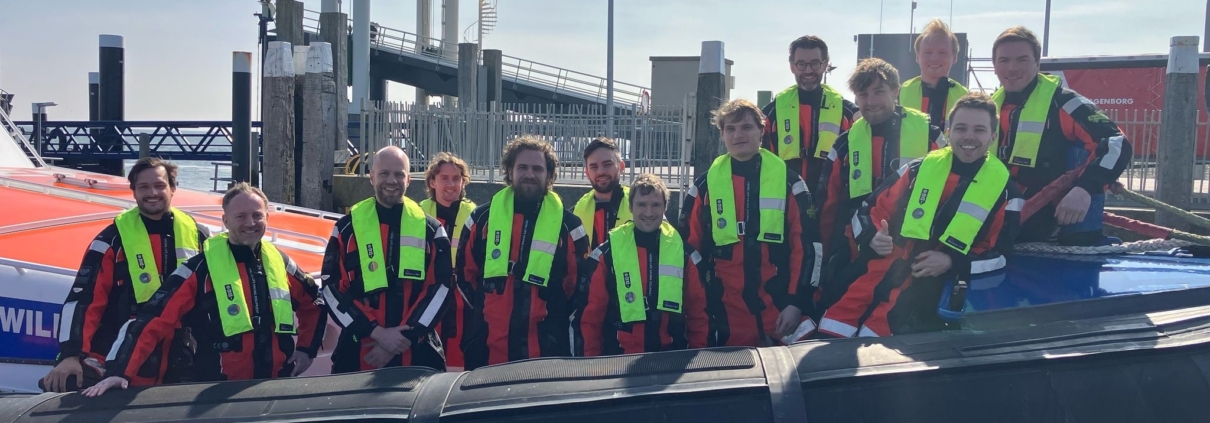
Visit to KNRM Schiermonnikoog

New Year Reception 2025

Wilson ASA ECO 1 and ECO 2 CIP3800 vessels

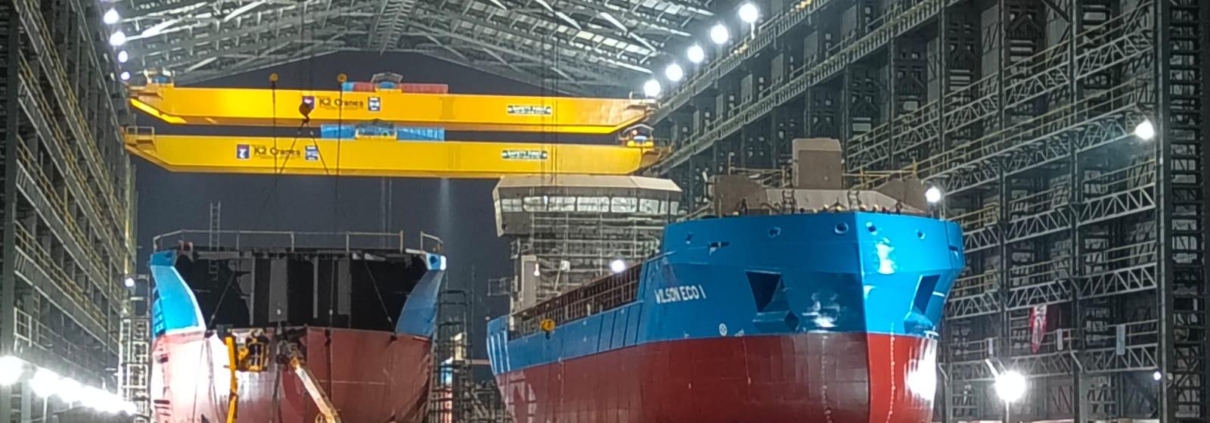
Wilson CIP3800 launched at Cochin Shipyard

The Digital & Green Maritime Coalition takes off

The Digital & Green Maritime Coalition takes off

Chartering a sustainable course

Kick-off event success

On Thursday the 28th of November the Digital & Green Maritime Coalition hosted its first symposium at the Buitensociëteit Paterswoldsemeer. With a full house of key players from the maritime industry in the Northern Netherlands, insightful discussions, and forward-looking panel sessions, the event marked the beginning of a journey towards a more sustainable and technologically advanced maritime future.

The Digital & Green Maritime Coalition unites shipyards, suppliers, shipowners, universities, and government representatives to address the challenges of tomorrow. Together, these stakeholders are laying the foundation for innovations that will shape the ”Ship of the Future”.

A vision for the Northern Dutch maritime industry

The Northern Netherlands has long been a global leader in short sea shipping, sometimes even referred to as the ”Silicon Valley of European Shipbuilding”. However, stricter emission regulations from the EU and IMO, alongside workforce shortages, pose significant challenges. The Digital & Green Maritime Coalition aims to transform these challenges into opportunities by allowing for collaboration of key players across different sectors operating within the maritime industry.

Symposium Digital & Green Maritime Coalition Guus van der Bles

The coalition focuses on two primary pillars:

Green technologies

Pioneering solutions such as emission-free propulsion systems, onboard CO2 capture, hydrogen fuel systems, green methanol and redox flow batteries.

Digital advancements

Embracing innovations like robotized shipbuilding, autonomous vessels, and digital twin technology to future proof the entire maritime industry

Highlights from the symposium

The event brought together prominent voices in the maritime sector, Egbert Vuursteen (Wagenborg) and Guus van der Bles (Conoship), who emphasized that the key to succes is collaboration. Panel discussions explored critical topics, including:

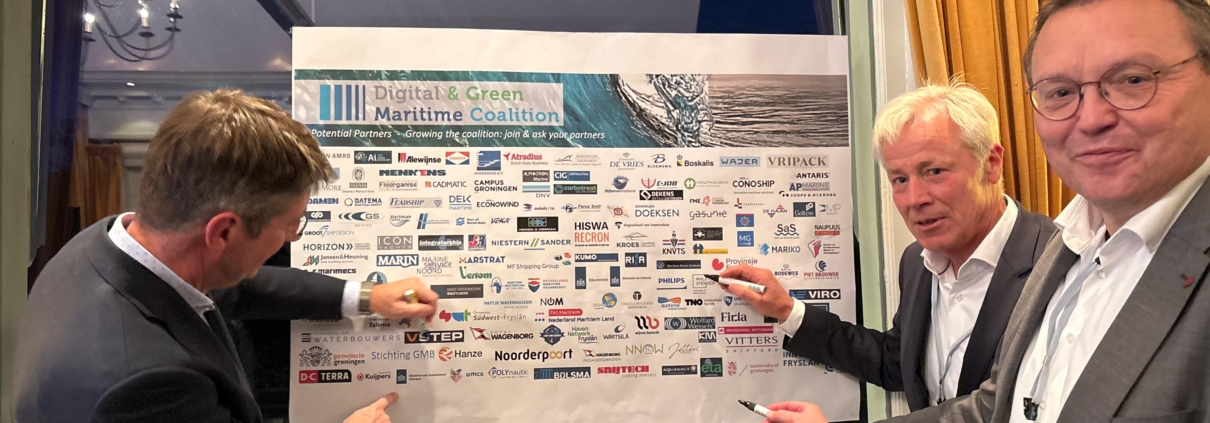
Participants were invited to affirm their commitment to the DGMC’s goals, signalling a strong determination to address the industry’s most pressing challenges. Collaboration among partners from various sectors within the industry will be essential. The symposium’s positive and ambitious atmosphere provided a significant boost to these efforts.

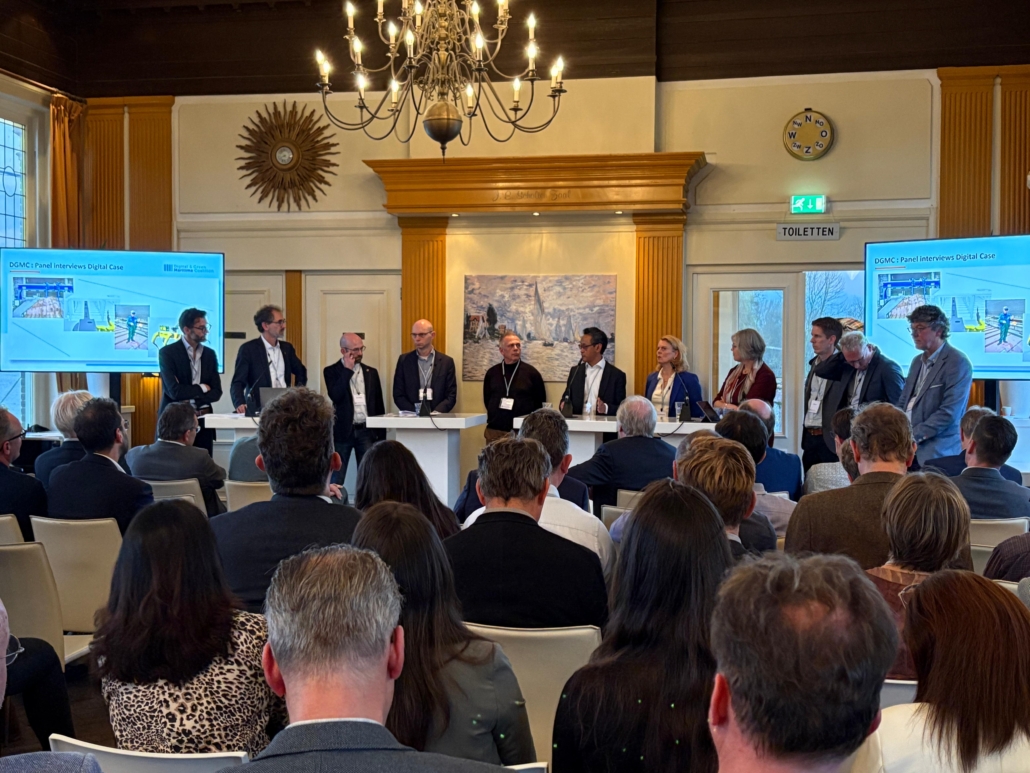
Symposium Digital & Green Maritime Coalition all speakers

The Road Ahead

The DGMC aims to transform the challenges faced by the maritime industry into opportunities for innovation and growth. By accelerating the adoption of green technologies such as green methanol, hydrogen propulsion, and onboard CO2 capture, the coalition is paving the way for a more sustainable future. At the same time, digitalization efforts, including robotized shipbuilding and digital twins, will make the industry more efficient and future-proof.

A Collective Effort

The symposium underscored that collaboration is key to achieving these ambitious goals. Industry leaders, such as Egbert Vuursteen of Wagenborg, called on shipyards, suppliers, and other stakeholders to unite in building the “ship of the future.” The discussions highlighted the importance of sharing knowledge and aligning efforts to address workforce shortages, regulatory challenges, and global competition. Intensive collaboration between northern Dutch knowledge industries and organizations in the maritime industry will allow for large scale innovation projects. Industry wide incentives can speed up the innovation process and enable the crucial SME sector to benefit and contribute to industry-wide efforts. 

A Call to Action

Conoship International, as a leading player in the DGMC, invites maritime professionals, companies, and institutions to join this initiative. Together, we can innovate, adopt sustainable practices, and secure the Northern Netherlands’ position as a global leader in shipbuilding. The DGMC is committed to keeping its partners and the public updated on new developments as we steer toward a green and digital maritime future.

Do you want to know more about the initiative or do you want to know what you can do to help the Digital & Green Maritime Coalition?